

Watching your child eat only a few foods can feel overwhelming. You want to make sure they’re growing, thriving, and getting the nutrients they need, but pushing them rarely works when your child is a complex picky eater. The key is a food-first approach for complex picky eaters, one that supports their gut health, nervous system regulation, and nutrient intake, while gently introducing new or non-preferred, nutrient-dense foods.
Why Gut Health and Nervous System Regulation Matter for Picky Eaters
Nutrition isn’t just about what goes in the mouth. A child’s gut health influences digestion, nutrient absorption and assimilation, immunity, and even mood and behavior. Simultaneously, a child’s nervous system determines how safe they feel around food and during mealtimes. Stress, sensory sensitivities, or overstimulation can make mealtimes feel unsafe, which increases picky eating and limits nutrient intake.
By focusing on a gut-friendly, nervous-system-supportive approach, you set the stage for improved eating habits and better nutrient absorption.
5 Food-First Strategies to Boost Nutrition for Picky Eaters
1. Support Nervous System Regulation
Feeding progress starts with regulation, not pressure. The goal is not to push children to eat more food, but to support the biological regulation that makes eating feel safe and possible. A child who feels safe and calm is more likely to explore foods:
Predictable routines: a mealtime “countdown”" or “heads up” that it’s soon time to eat, consistent timing, seating, mealtime routines and atmosphere.
Movement breaks: physical activity or sensory input, like “heavy work”, before meals to reduce stress.
Low-pressure exposure: food play outside of mealtimes, not focusing on consumption during mealtimes (focusing on positive experiences), interacting with foods using their utensils, touching or smelling foods during meals, smelling the food, or cooking together. Exposures, not consumption.
The goal is not obedient consumption of the food. The goal is a healthy, long-standing relationship between the child and their food, mealtimes, their body, and their parents and/or caregivers (as the feeder).
2. Small, Nutrient-Dense Additions
Consider small, subtle ways to boost your child’s nutrition. These foods were chosen with complex picky eaters in mind because they provide high-quality nutrients in small, easy-to-add forms, support gut health and nervous system function, and can be incorporated without major changes to your child’s current diet.
Herbal teas or child-safe tinctures: mild chamomile, rooibos, peppermint, or nettle (sweetened with a little honey to reduce bitterness). Honey also supports digestion and the immune system. Herbal teas can be calming to the nervous system, gentle on digestion, and can help increase fluid intake for hydration and nutrient transport. Nettle is rich in vitamins A, C, K, and minerals like iron and magnesium, making it a gentle micronutrient booster.
Herbs and spices: Ceylon cinnamon, garlic, oregano, and other herbs are not only flavor enhancers, they also provide antioxidants, antimicrobial properties, and digestive support. Ceylon cinnamon supports steady blood sugar balance, garlic helps nourish beneficial gut microbes, and oregano contains plant compounds that support overall digestive balance.
Moringa powder: add to smoothies, popsicles, “powerballs”, or sauces (note: depending on what you’re adding to and how much, it’ll turn it green). Moringa is a true nutritional powerhouse, containing vitamins A, C, and E, calcium, potassium, protein, and antioxidants. It supports overall nutrient density, gut health, energy, and immune function, and can help fill in gaps when children eat a limited variety of foods. There are a ton of recipes out there to get creative with adding in Moringa (here are a few).
Bee pollen: sprinkle in yogurt, smoothies, granola, etc. Bee pollen is rich in B-vitamins, minerals like magnesium and zinc, amino acids, and antioxidants. It can provide gentle energy support, promote immunity, and improve overall nutrient intake in small servings that are easy for picky eaters to accept.
Grass-fed beef liver: blended into ground beef for spaghetti, tacos, burgers, or meatballs, or in desiccated form sprinkled on foods. Liver is one of the most nutrient-dense foods available, packed with B-vitamins, especially B12, iron, zinc, vitamin A, and high-quality protein. Including liver in small, well-masked amounts helps ensure your child gets critical nutrients that are often missing in restricted diets.
Hemp hearts: sprinkle on toasts, granola, yogurt, or blend in smoothies. Hemp hearts are rich in complete protein, essential fatty acids including omega-3s, magnesium, iron, and zinc. They support nervous system development, healthy brain function, and provide a plant-based protein source for picky eaters.
Pumpkin seeds: eat as is or add ground pumpkin seed powder to baked goods, smoothies, or sauces. Pumpkin seeds are high in magnesium, zinc, iron, protein, and antioxidants. The powdered form can be fairly easy to incorporate for children who are texture sensitive and helps support energy metabolism and overall nutrient intake.

Healthy fats are essential for complex picky eaters because they support brain development, nutrient absorption, and nervous system function, and provide a concentrated source of calories (energy) for growing children. Including a variety of healthy fats in small, manageable ways can help fill nutritional gaps without overwhelming sensitive eaters.
Olive oil: rich in monounsaturated fats and antioxidants, olive oil supports heart health, reduces inflammation, and helps with the absorption of fat-soluble vitamins like A, D, E, and K. Drizzle over vegetables or pastas to add flavor and a boost of nutrition.
Coconut oil: contains medium-chain triglycerides, which are easily digested and provide a quick energy source for the body and brain. Coconut oil can be used for cooking or in smoothies and baked goods.
Avocados: packed with monounsaturated fats, fiber, potassium, and vitamins C, E, and B-complex, avocado is gentle on digestion and easy to incorporate into sandwiches, dips, or mashed as a spread on toast. Mix some moringa in there!
Butter or ghee: these provide saturated fats that are important for growth and development, particularly for the nervous system and hormone regulation. Ghee is clarified butter, making it lactose-free and casein-free, and easier for sensitive tummies to tolerate. Use in cooking, on vegetables, or in small amounts on toast or baked goods.
Including these nutrient-dense additions alongside foods your child already enjoys helps improve nutrient intake, support gut and nervous system health, and maintain steady energy levels throughout the day.
3. Pair New Foods with Preferred Foods
Introducing new or non-preferred foods alongside a trusted, familiar, and preferred food reduces anxiety and increases willingness to tolerate or try. Repeated, stress-free exposure is more effective than forcing or pressuring. Stay underwhelming! Think coin size amounts. They can always ask for more.
And remember, we’re not going for consumption… we’re only aiming for exposures. If it stays on the plate, that’s a win! If your child is not able to tolerate it on the plate just yet, offer a clear “no thank you” bowl near your child’s plate that they can move it to (have your child be the one to move it, that’s exposure! Touching the food to move it and then tolerating the sight of it while it remains in the “no thank you bowl”).
4. Support the Gut
A healthy gut improves nutrient absorption and digestion:
Fermented foods like sauerkraut, yogurt or kefir (if tolerated), or small amounts of fermented vegetables. Start low and slow.
Gentle soluble fibers like pureed carrots, zucchini, or pumpkin added to sauces.
Add in bone broth when cooking rice or quinoa.
Calm, predictable mealtimes. Stress inhibits digestion and nutrient absorption.
Encourage your child to chew their food thoroughly. Some children swallow after only a few bites, which can make digestion harder. Proper chewing helps break food down into smaller pieces and stimulates digestive enzymes. When food is properly broken down, it is easier on the stomach and intestines and supports a healthy gut lining.
If you suspect or know that your child needs support with their chewing skills, please seek consultation and support from a qualified speech-language pathologist who specializes in pediatric feeding.
If you want a clearer picture of your child’s gut health, a Tiny Health stool test can offer insight into microbial balance and help guide more personalized nutrition decisions. Use my affiliate code: SHANDY at checkout for $20 off your Tiny Health kit (As an affiliate, I earn a small commission when you make a purchase through my link and/or use my code at no extra cost to you!).
5. “Clean Up” the Diet to Expand the Diet
A food-first approach to picky eater nutrition is not just about what we add. It is also about what we remove.
Before working to expand a complex picky eater’s diet, it can be incredibly helpful to gently “clean up” what is already being consumed. Many ultra-processed foods contain artificial colors, flavors, preservatives, refined sugars, and flavor enhancers that can contribute to poor gut health, blood sugar swings, intense food cravings, and more. For children with complex picky eating, these ingredients may also worsen nervous system dysregulation and sensory sensitivity.

Ultra-processed foods that are high in refined starches, added sugars, additives, or glutamates can disrupt digestion, alter the gut microbiome, and overstimulate the nervous system. Over time, repeated exposure to highly engineered flavors can condition a child’s taste buds and brain chemistry to expect high-intensity stimulation. Whole, nutrient-dense foods may then taste bland by comparison, making it harder to expand a complex picky eater’s diet.
Gradually reducing ultra-processed snacks, sugary drinks, and heavily flavored packaged foods helps stabilize appetite, lower overall additive and glutamate load, and reduce biochemical cravings. As blood sugar stabilizes and gut health improves, taste sensitivity often softens. When this happens, real food becomes more appealing and new foods feel less overwhelming.
This is not about an overnight overhaul. Supporting gut health and nervous system regulation in picky eaters is a gradual and methodical process. Start with one or two frequently eaten foods and look for “cleaner”, closer-to-nature versions with simpler ingredient lists. Removing artificial colors and flavors is often a powerful first step. Slowly reduce refined sugars by replacing them with minimally processed sweeteners like raw honey or maple syrup. When possible, choose organic or non-GMO foods, especially for produce known to carry higher pesticide loads, and consider upgrading animal products to pasture-raised, grass-fed, wild-caught options to improve overall nutrient quality.
For children who rely heavily on specific packaged foods, focus on clean swaps rather than elimination. Look for simpler, minimal-ingredient versions of cookies, crackers, waffles, cereals, pizza, or whatever their favorites are. Introduce changes gradually by mixing a small portion of the new option into the familiar one. This supports taste adaptation without overwhelming a sensitive nervous system. For some children, the gradual addition of the new option into the familiar one will not work because it’s detectable. In these cases, parents will want to be upfront about it by placing the new option next to the familiar one (reduce the familiar one slightly).
Note: It’s critical that if you’re going to try to “sneak” a new food in, that you are certain your child will not notice. Otherwise, you risk losing their trust and the possibility of them further self-limiting their diet.
It is also important to read the fine print of ingredient labels carefully, even in certified organic options. Terms like “natural flavors” or “citric acid” may sound harmless, but they can function as flavor enhancers that keep the palate accustomed to high-intensity flavors (and be glutamate loopholes). The goal is not perfection. It is lowering the overall chemical and additive burden so the gut can restore balance and the nervous system can regulate with greater ease.
“Cleaning up” the diet is not about restriction. It is about removing barriers so that expanding a complex picky eater’s diet becomes possible. When gut health improves and the nervous system feels calmer, new foods are often more accessible and less intimidating.
Additional Resources
Podcast Episode: How "Gut Health" Impacts Your Child's Health and Development
If you want to dive deeper into supporting your child’s digestion and gut health, check out my podcast episode, How "Gut Health" Impacts Your Child's Health and Development.
Blog: The Missing Piece in Picky Eating: Nervous System Regulation
Understanding your child’s nervous system is key to making mealtimes calmer and more successful. Learn practical ways to support nervous system regulation in my blog: The Missing Piece in Picky Eating: Nervous System Regulation. You will discover strategies to reduce stress, increase safety around food, and gently encourage new food exploration.
Blog: Supplements for Picky Eaters: What to Know and How to Help Your Child.
For families ready to explore safe supplement strategies, check out this detailed guide I recently wrote for Documenting Hope: Supplements for Picky Eaters: What to Know and How to Help Your Child. It is a gentle, practical resource for bridging nutrient gaps when food alone is not enough, because sometimes for complex picky eaters, it just is not.
Blog: What Is Glutamate? And Why Does It Matter for Kids with Developmental Challenges?
Learn what glutamate is and how it impacts the nervous system, behavior, and development in sensitive children. This parent-friendly blog explains where glutamate appears in foods, why excess exposure matters, and how dietary approaches may support regulation, communication, and feeding in kids with autism and other developmental challenges.
Want more support as you navigate your child’s complex picky eating?
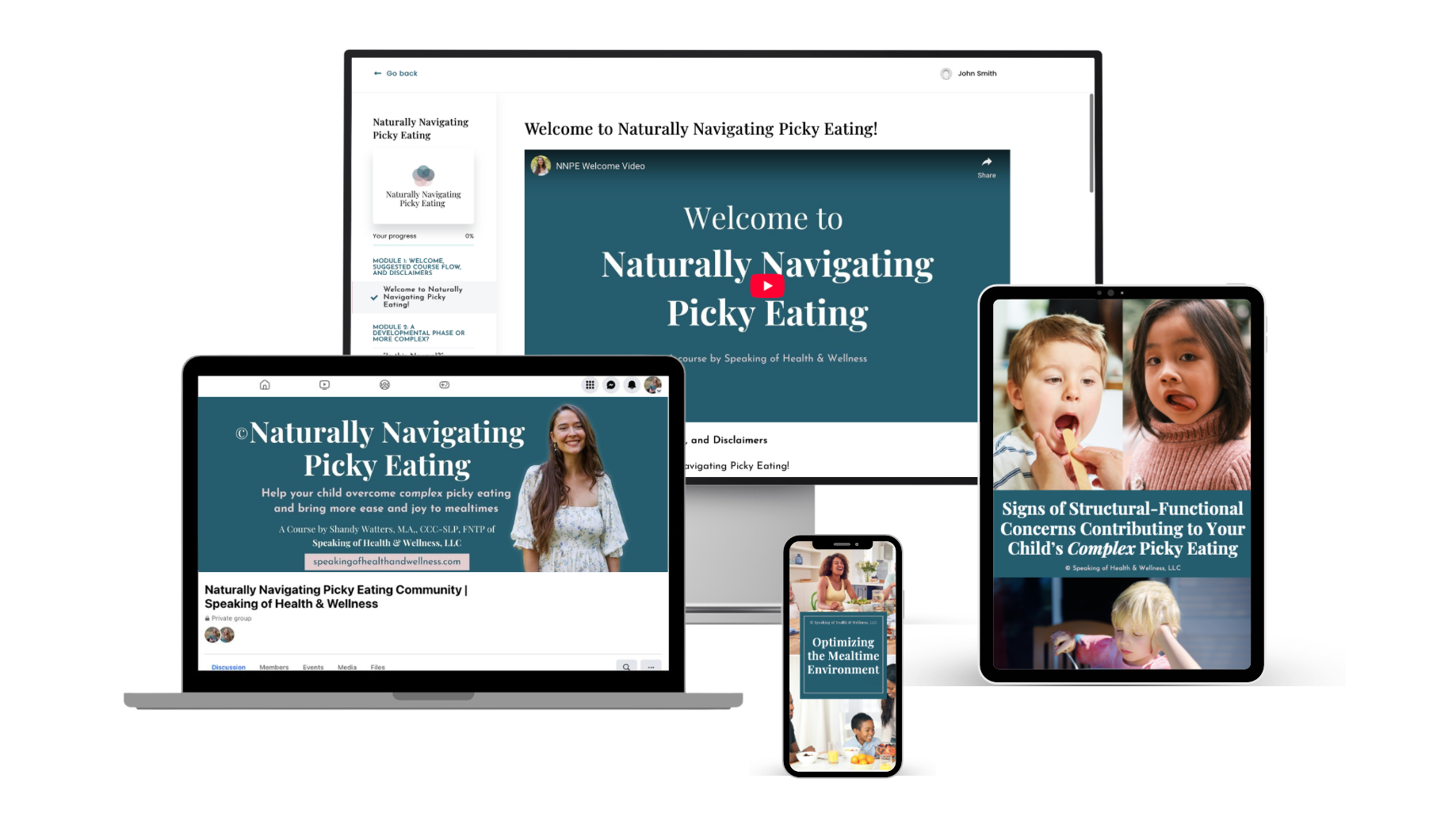
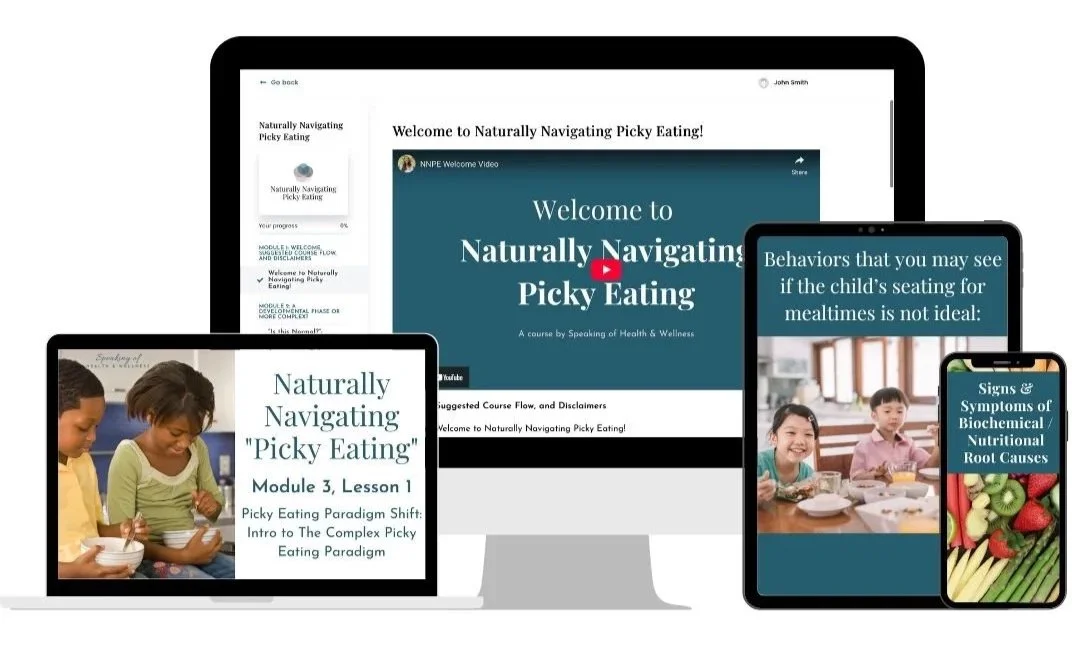
For parents ready to take a deeper dive and feel confident guiding their child at home, my online course, Naturally Navigating Picky Eating, gives you a step-by-step, food-first framework to help your child expand their diet, improve nutrient intake, and create calmer mealtimes.
Learn more about the course and enroll here:


Final Encouragement
Progress with complex picky eaters is often gradual, but small wins really do add up over time. A calm mealtime, a tiny addition of a nutrient-rich food, or a small reduction in ultra-processed foods is meaningful progress.
By focusing on a food-first approach that supports gut health, nervous system regulation, and adding in nutrient-dense foods while minimizing ultra-processed foods, you are setting your child up for lifelong healthy eating habits and better overall wellbeing.
Tip: Try making one small change this week, such as a splash of chamomile tea with honey, a sprinkle of Ceylon cinnamon or moringa on pancakes or nut-butter toast, a drizzle of olive oil or coconut oil, or swapping a highly desired ultra-processed snack for a “cleaner” version. Observe how your child responds. Small, consistent steps lead to lasting improvements.
If your child’s diet is extremely limited, or you notice fatigue, slow growth, or frequent illness, partnering with a professional who understands picky eating, gut health, and nutrition can be really helpful. Do not hesitate to reach out to me, another holistic nutrition professional, a functional medicine provider, or your trusted healthcare provider(s) for support.
With encouragement and support on your food‑first journey,
Shandy Watters, M.A., CCC-SLP, FNTP
Speaking of Health & Wellness, LLC